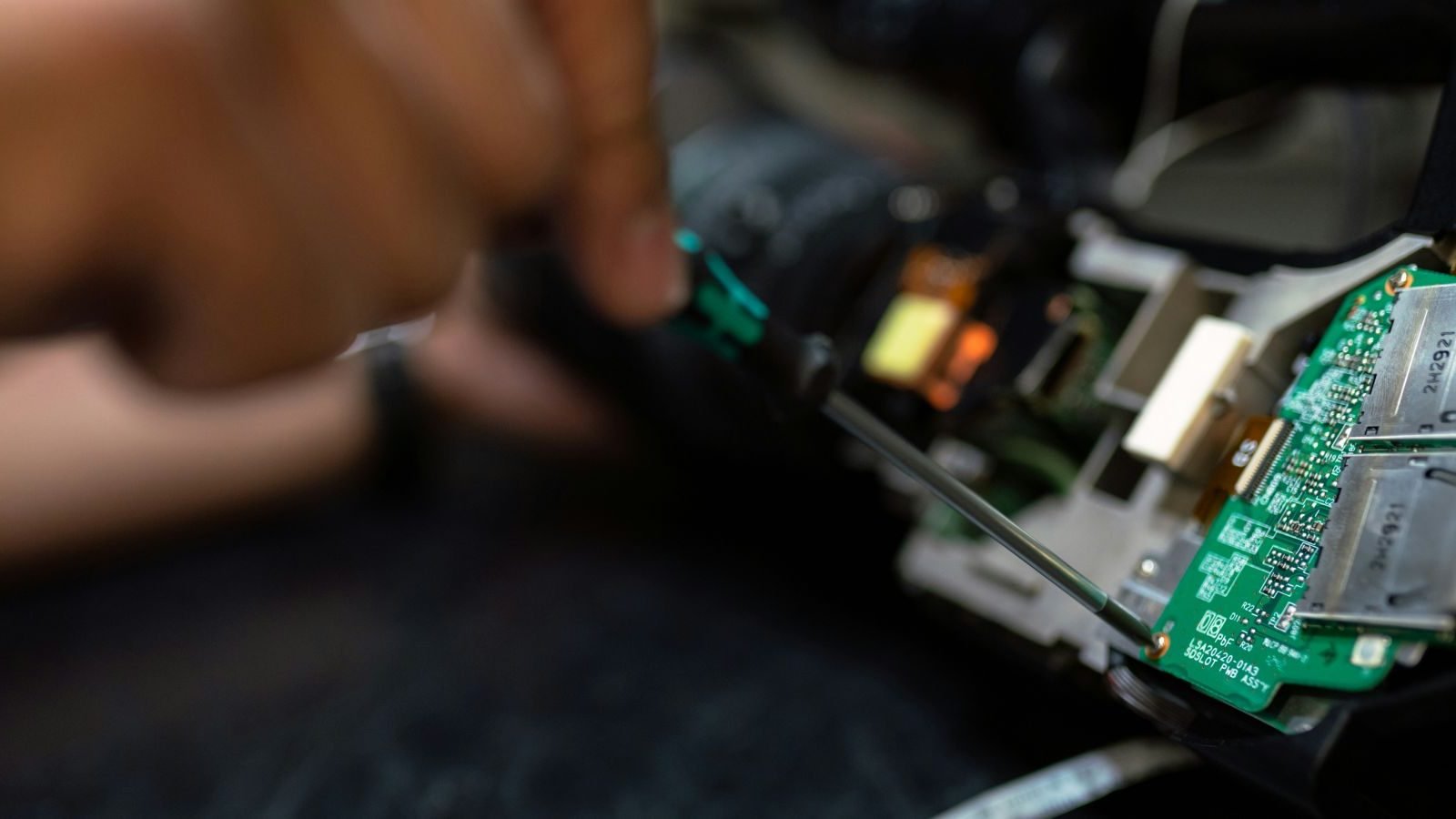
Smart hands
Guided work, carried out with your engineer on the phone.
- Reboots, reseats and physical diagnostics
- Cable tracing and port swaps
- Escorted access for secure sites
- Device collection and delivery
How we grade work, vet technicians, and prove the job was done.
This page describes how we decide who that is — how work is graded, how people are checked, and what comes back to you when the job is finished.
The same grading and the same vetting apply whether someone is on your site for two hours on a work order or sitting in your team for the next two years.
We grade work rather than charging one rate for everything. A cable trace and a multi-vendor commissioning job are not the same, and should not be priced as if they were.
Guided work, carried out with your engineer on the phone.
Standard field work completed without hand-holding.
Complex, multi-vendor or design-led work.
Everyone in the network is verified before they are assigned anything, and re-checked against the requirements of each individual job or role.
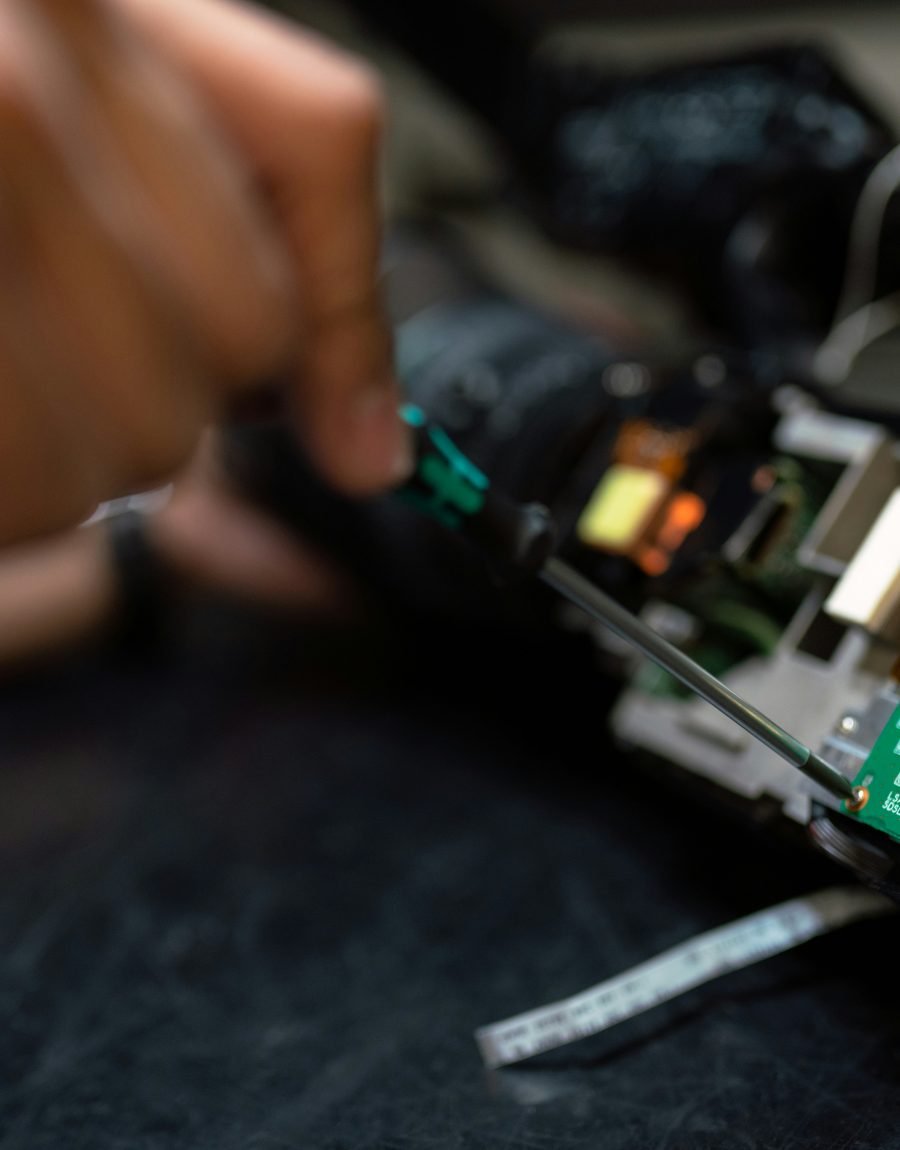
Nobody should discover the right tool is missing on the day.
Technicians arrive with their own standard toolkit. Specialist equipment — testers, survey kits, lifts, spectrum analysers — is confirmed at scoping, before anyone is booked.
The same technicians are available four different ways. Which one is right depends on how long you need the capability and whose payroll you want it on.
Whether it took twenty minutes or two days, the close-out looks the same. You should never have to ask us what happened on site. Dedicated and placed resources report through your process instead, since by then they are working to your ticket queue rather than ours.
If you have your own ticketing system, asset register, scope-of-work template or reporting format, we use it. Most clients would rather not adopt another portal for one supplier.
Send us one job. The close-out will tell you more than any capability statement.